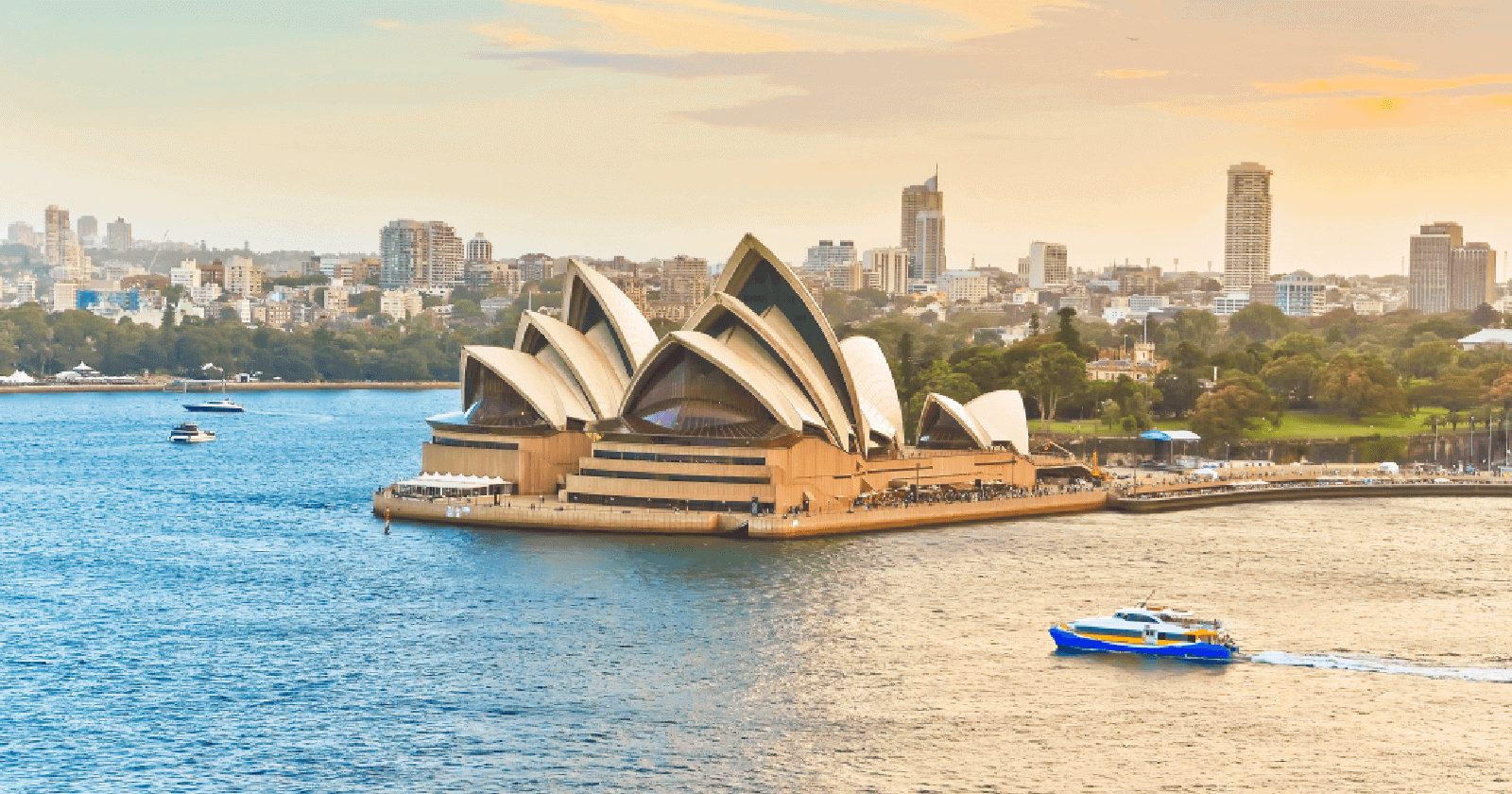
Introduction to Australia’s Seasons
Wondering what season it is in Australia right now? Youre not the only one! With vast deserts, coastal cities and dense rainforests, the countrys weather can feel all over the map. While many nations divide the year into four clear parts, Australia moves to its own beat, shaped by geography rather than tradition. From sizzling beach days to chilly mountain nights, every month down under has its own story to tell.
If you are planning a trip or simply curious about todays forecast, this guide walks you through Australias seasonal shift, month by month. Whether you dream of summer adventures in the sand or cozy winter weekends by the fire, knowing how climate changes over the year can help you make the most of your visit.
Australias Unique Climate: Why It Has Opposite Seasons
Australias climate is a patchwork quilt of weather types that can switch from one neighbour to the next. Because the country sits wholly in the Southern Hemisphere, its seasons arrive six months earlier than they do north of the equator. While Europe and North America bundle up in December, Australia soaks up the sun and tide at the height of summer.
The sheer scale of Australias terrain produces wide-ranging climates from one state to the next. Up north, the inland and coastal regions fall within a tropical belt marked by wet and dry periods. Farther south, the alpine hinterlands and coastal cities settle into a temperate pattern that cycles through spring rains, winter frosts, autumn leaf-falls, and summer heat.
Such climatic contrasts nurture separate ecosystems on the same continent. Rainforest species flourish beside desert-adapted reptiles, and both share air with temperate angophoras and migrating shorebirds. This biological patchwork seeps into everyday life, shaping gardeners planting on different frost dates, surfers chasing wave seasons, and families picking weekends for road trips through wildflowers or snowdrifts.
Travelers who set out during the summer months still need to pack for two seasons at once. Whether they end up on a sun-drenched beach or caught under a sudden tropical downpour, Australias vast climate range makes every adventure feel fresh and surprising
April-June: Autumn
When the calendar turns to April Australia steps into its autumn slow. Stubbly fields and gumtrees blush with red, orange, and gold, and quiet moments in the city parks feel almost cinematic. Melbourne in particular rolls out its seasonal best, huge sycamores raining leaves onto cobbled lanes.
Further south the air grows crisp yet daytime temperatures still flirt with twenty degrees. Early fog gives way to brilliant blue afternoons, perfect for wandering walking tracks or curling up with a book in a sunlit café on the edge of the Yarra River.
Meanwhile the tropics lie to the north. Humidity drops, breezes kick in, and every island beach begs for a long stroll after breakfast. Caravanning along the coast or diving off reefs no longer feels so draining so many people plan those trips now.
Harvest fairs, vineyard festivals and light shows pop up from Tasmania to Cape York. People swap stories about the best pumpkins, share pie recipes and admire art made of apples and autumn leaves, reminding anyone who visits how food, culture and landscape can simply hand-in-hand.
July-September: Winter in the South, Dry Season in the North When July arrives and lingers through September, Australia splits itself into two seasonal worlds that coexist yet feel miles apart. Down south, places like Melbourne, Hobart, and even cloudy Sydney pull on scarves as winter settles in with its chilly winds, soggy streets, and the occasional stubborn frost. Morning coffees steam longer, wood fires crackle in cottages, and weekend sport shifts to indoor arenas under the gloom of a grey sky.
North of the Tropic of Capricorn, though, winter disappears and the dry season struts in like a welcome guest. Cairns, Darwin, and Broome bask under brilliant blue canopies, soaking up days that drift along between twenty-five and thirty-three degrees Celsius. Low humidity means skies stay clear, waterholes sparkle, and outdoor plans rarely yield to a surprise storm. On coral reefs, sea turtles cruise beside snorkellers; along rivers, fresh-water crocodiles sunbake on warm rocks while a parade of migrating birds flashes colour overhead.
Farmers in the north gather their harvests for markets that hum with mango, pawpaw, and sugar-cane, while desert trails in the outback lure campers eager to photograph ochre cliffs under an endless dusk glow. Guided tours into Kakadu or Litchfield National Park reward hikers with waterfalls that tumble into plunge pools still cold enough to jolt the senses. Around the coastline charter boats sweep visitors into the reef at high tide, showing off corals that pulse with lavender, orange, and teal.
So, whether travellers find contentment curled beside a heater with a book or flopped on a sun-blasted beach, winter in Australia still manages to offer its trademark mix of warmth and grit.
October-December: Springtime Blooms and Warmer Weather October arrives, tipping the scale toward prolonged daylight, and suddenly the country feels as if someone has slid open the shutters of a fully glazed greenhouse. Temperatures begin a slow, noticeable creep, nights are no longer chilly enough for thick eiderdowns, and gardens burst into colourful expression. Tulips unfurl in the south, wattles dust the inland with bright yellow, and northern coastlines house flamboyant bougainvillea as though nature had emptied a paint tin by mistake.
Outdoor festivals, previously stashed away in calendars behind cold weather, now roost in parks, on riverbanks, and under seaside rotundas from Perth to Port Macquarie. Spring racing carnivals attract flat-hat crowds eager to cheer gallopers and share plates piled high with strawberries. Coastal long-boarders take to the rolling swell, surf lifesavers return for the year’s club patrol, and bushwalking clubs swap their rainfall radar for fuchsia maps dotted with wildflowers.
Gardens bloom while vineyards prepare their young grapes for a sun-kissed ripening season, creating a pairing of indulgence no shoulder season quite matches. By November, humidity climbs in the Tropics, hinting at the monsoon to come, yet many northern visitors stay put, buoyed by clear sky, warm sea, and the annual Great Barrier Reef Festival that celebrates marine artistic flair. Further south, food and wine festivals celebrate new vintage and seasonal produce, culminating at harvest-table dinners paired, of course, with crisply chilled sparkling.
Gardens burst with bright wildflowers, honeysuckle perfume spilling into the streets. Cities such as Melbourne and Sydney tap their drumbeats of music and street art, tossing open-air festivals to the season. Outdoors becomes an invitation; families roll picnic rugs under shady trees, young surfers chase foamy waves along sun-kissed coasts. Spring is also ideal for strolling through national parks that flaunt piney forests, playing koalas, and wide red rockWays. Temperatures dance from region to region yet stay gentle to warm for most travelers. Ocean fronts brim with swimmers plotting the day’s tan and evening’s barbecue. An easy buzz fills cafés and galleries as locals grin, tourists smile, and together they mark spring as a favorite reason to land down south. Selective Packing and Planning Clues for a Smooth Excursion Packing for Australia calls for reading the calendar and sky. Summer visitors should load light tees, airy shorts, and a nearly endless tube of sunscreen—the sun won’t hold back. Guests in autumn do best when layering becomes the day’s game. Mornings can weave a chill, afternoons unwrap warmth, and having a thin jacket or cardigan within reach placates both moods.
Winter visitors heading to Australia’s southern states should expect decidedly cooler conditions, especially near the coast and inland alpine regions. A selection of snug pullovers, a warm beanie, and a waterproof outer layer is wise, while those venturing to Tasmania or the Snowy Mountains may find a full-knee-length coat handy.
If your plans fall in spring, toss in light cotton dresses or shirts with cheerful prints plus sturdy canvas walkers so you can explore markets, national parks, and flower trails without aching feet. Daytime highs normally sit around twenty degrees Celsius, inviting long walks, picnics, and photo stops as nature finishes its warm-up.
Packing is always easier after a quick check of local forecasts, for weather can swing from deserts in one territory to rain fronts rolling in from the Indian Ocean or Bass Strait in hours. Basic extras-surf-hat, sun balm, insect spray for summer, and a thin poncho-stack neatly beside your main clothes and give peace of mind.
Conclusion
Australia’s sprawling climate means every trip, no matter the month, tells its own story. Knowing which season the locals are living through not only fine-tunes your packing but also helps you dodge surprises like an August blizzard in Victoria or a November heat wave in the Pilbara.
As you sketch out flights, tours, and roadside stops, let the calendar be an ally so you chase cocoa in the south during mid-year, fe_ _ _ _ _ _ _ _ _ _ free bushwalks by the tropic sea in January, and crisp-morning canoe trails in autumn lakes. Each season dresses the same place in a fresh outfit, and by matching your schedule to its wish list you will get the feel of every wardrobe. Carry this outline in your pocket and arrive ready, regardless of the surprise the sky rolls in next.
Leave a Reply